Saturday, March 24, 2007

The Ultimate Gift


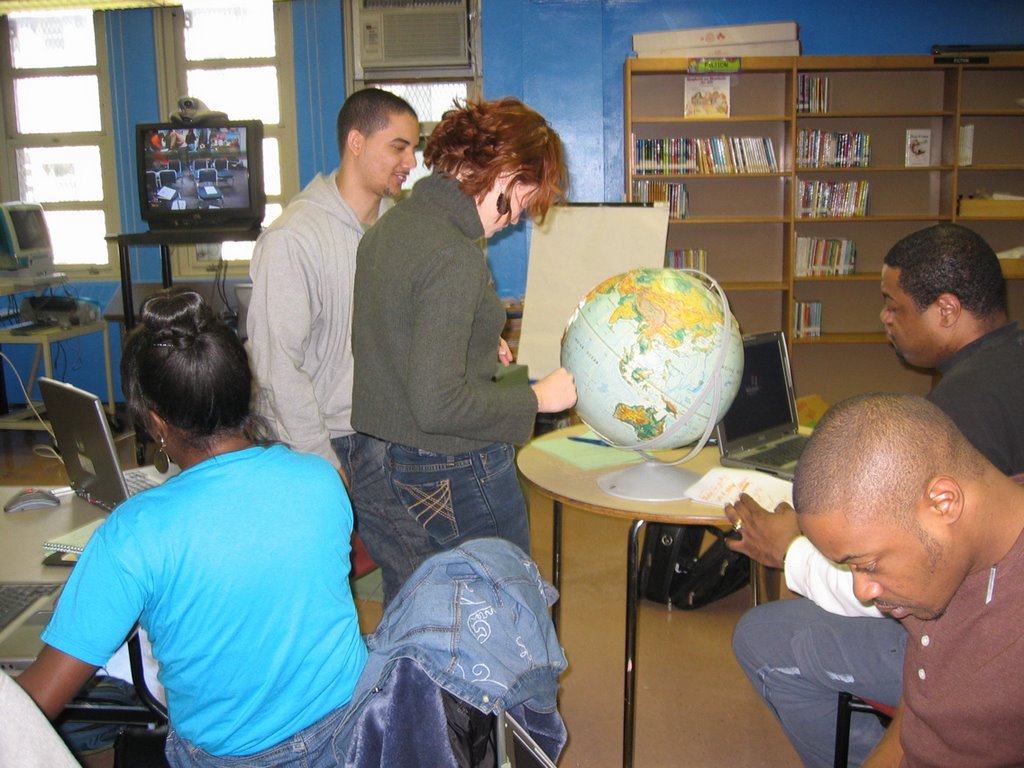
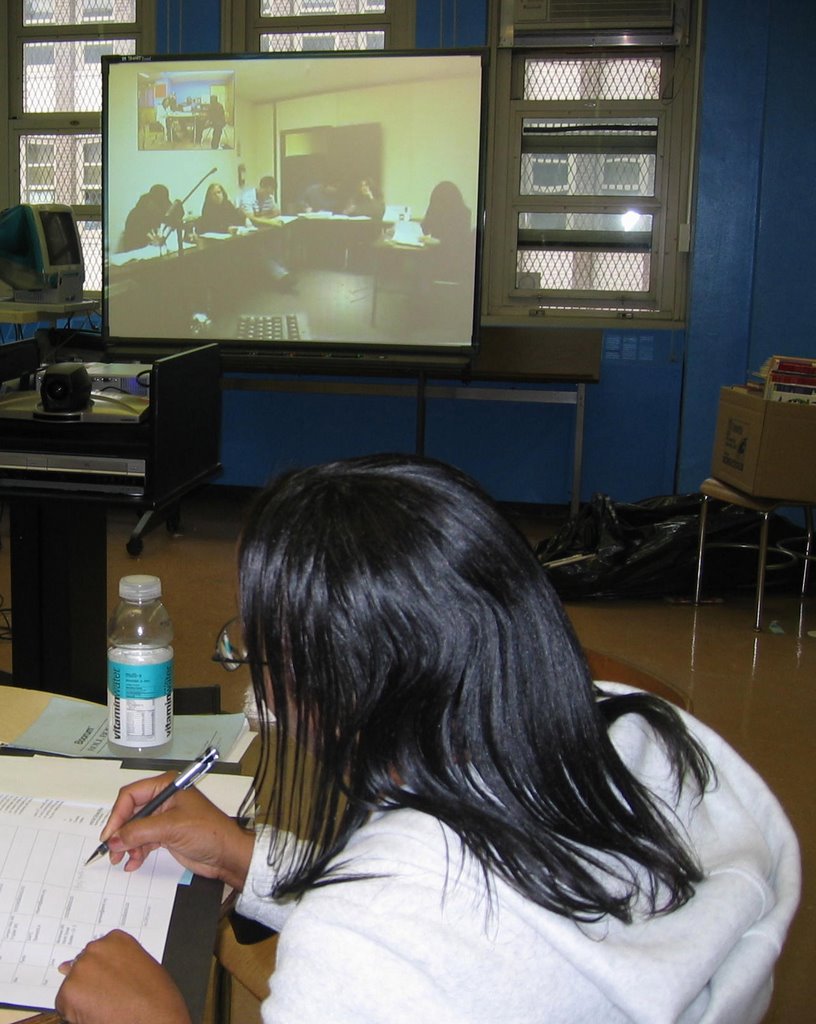
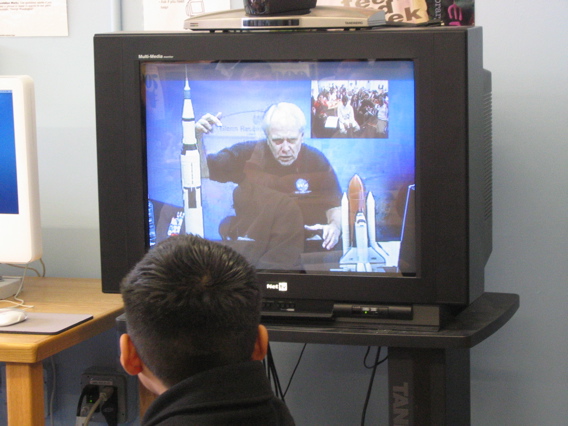
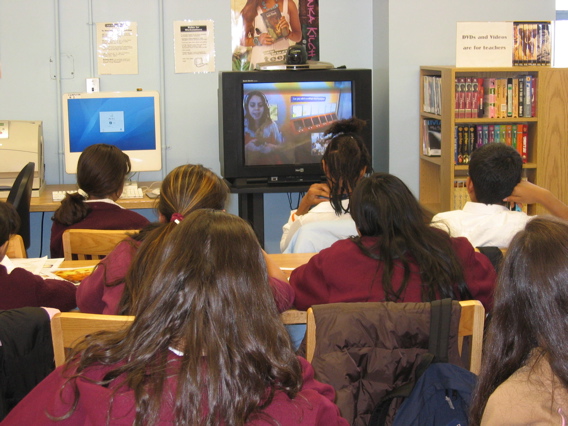
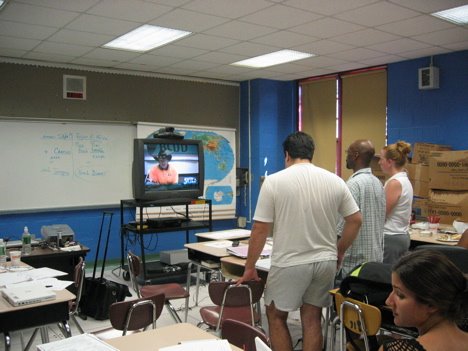
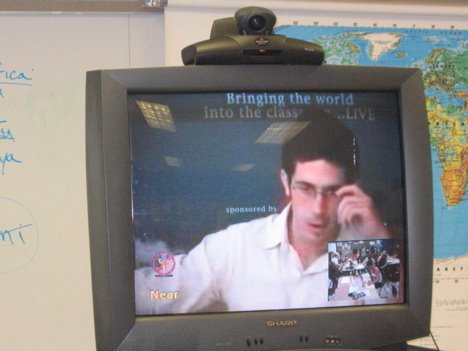
One of our 8th grade classes participated in a wonderful ASK program this past Thursday. ASK, which is an acronym for Authors, Specialists, Knowledge gives students the opportunity to read a book and then ask questions of the author or in some cases specialists who are experts on the topic. Our videoconference this time was with Jim Stovall, an author, motivational speaker and media executive. He is also blind. He lost his eyesight as a young man. He discovered his love for reading books only after he had lost his sight. Now, Stovall starts everyday listening to a book on tape. He shared this fact about his life and others as he answered a wide variety of questions posed to him by students from six different schools. All together he fielded 36 questions about his book and his life. His accomplishments are very impressive. His Narrative Television Network has resulted in developing a second audio track on televisions for the visually impaired so that they can hear the actions and scene descriptions that they cannot see. Mr. Stovall has written many motivational books. His most successful book is "The Ultimate Gift". This is the book that was read by the students and discussed in Thursday's program. It also has been turned into a movie and is being released this month. I always find these ASK progrmas to be a great experience for the classes. First the students get to read a book and then meet and question the author. They also get to see and hear the other students as they ask their questions. It's an exciting event for all involved. It is inteactive videoconferencing at its finest.

Saturday, March 03, 2007

February and Freak the Mighty


A month has passed since I entered my last blog. February is always a short and very busy month. Throw in the fact that NYC schools have a week off for a winter break and it is easy to understand how a month can go by so quickly. But February was a very busy month for videoconferencing. On February 12th one of our 8th grade classes got to participate in an ASK program with Dr. Ben Carson. This was the second year that our students had the opportunity to read Dr. Carson's autobiography "Gifted Hands" and then meet with this outstanding pediatric neurosurgeon, author and motivational speaker. You can read more about the videoconference in Janine Lim's blog Videoconferencing Out on a Lim. There were also a couple of MysteryQuests in February. These videoconferences are always a successful experience for the participating classes as they race against time to find the mystery countries and cities from a bunch of clues presented by other classes all over the US. Even with Google the search is a real challenge! There was also a second NASA VC, about Rocket Science.


But what I really want to write about today is the wonderful "Read Around the Planet" VC that took place yesterday. This year "Read Across America" got aptly renamed "Read Around the Planet". Yesterday's Read Around the Planet or RAP as it is affectionately called was with a school in Alberta, Canada. The students in Canada had read the book "Freak the Mighty". In an interesting twist of retelling the story, the students in Canada chose popular music that best reflected the characters and mood of different chapters. Our students who are participating in a Poetry Slam program shared an original poem about New York with a promise to videoconference again to share their poetry from the slam. As always our New York City urban kids and the Canadian rural/suburban counterparts enjoyed sharing what they had in common and observed some of their differences. When asked by the students in Canada if they liked to dance. The New York students revealed that the entire class is taking a ballroom dancing class. They told the Canadian students that they were learning how to salsa, rhumba, swing etc. This prompted a discussion for a future videoconference of a demonstation of some of these dances. It always amazes me how this technology is able to form these wonderful connections between the students. The students really seemed to enjoy each other and are able to form a bond with each other. Now I have to figure out how to transform our media library into a dance floor. I just love my job. I will keep you posted.

Sunday, February 04, 2007

Mini Jazz Part 2


Yesterday was Part 2 of our modified Jazzing Up Your Curriculum with Videoconferencing Workshop. For the second Saturday teachers in NYC New York teamed up with teachers in El Paso Texas to see and experience some of the wonderful possibilities of collaborative videoconferencing. Last week we looked at exchanges. This week our focus was on quests, specifically MysteryQuest. In a format, somewhat like speed dating we consolidated a few weeks collaborative project into a 75 minute whirlwind activity. Our teachers researched a mystery country and city, came up with a 5-7 minute presentation, researched the other sites mystery country and city, asked clarifying questions, made educated guesses and revealed their mystery locations. The Texas group presented a hysterical skit of a plane flight on the way to India experiencing some problems with their GPS system and having to make an emergency landing in some body of water located in the Tropic of Capricorn. The apologetic pilot's presentation of clue as the passengers experienced turbulence and confusion was nothing short of brilliant. The NYC group had their own humorous take as a BBC World News Reporter with a proper British accent and reporters in the field presented clues about their mystery location. The experience though light hearted in nature showed the tremendous learning experience a Mystery Quest provides. If you have never participated in a Berrien County MysteryQuest you are missing something.
After MysteryQuest was over we went back to our small group work where our elementary teachers paired up in groups of two or more to plan classroom collaborations for the days ahead. Using the ideas of exchanges and now quests they began planning for lessons that would build upon their two different school communities. The middle school groups planned for science and social studies exchanges. While the high school group developed a lesson plan which deals with global warming. The students would research specific affected ecosystems, present their finding to each other and even debate the issue of how real is global warming.
When our teaches said their goodbyes, I think they felt that they had formed some new "connections" with each other. I look forward to blogging about the actual videoconferences that do take place in the near future. Once again I thank Ashton Graham my colleague in El Paso for this wonderful collaborative videoconference training.

Saturday, January 27, 2007

Mini-Jazz

Today we did the first day of a two day vc training with a school district in El Paso, Texas. It is a very modified version of a 5-day training we did this summer called Jazzing Up Your Curriculum with Videoconferencing. We started off the day with a Jeopardy Game about the great states of New York and Texas. I think Texas won but who's keeping score? Next we modeled three different kind of classroom exchanges. Our teachers did a community exchange sharing information about NYC and El Paso. Our NY group did pantomines of riding on the subway, hailing a taxi, visiting the Statue of Liberty and of course drinking coffee at Starbucks (although I don't think that's exclusively a NY thing). The El Paso group showed us why El Paso is "hot and spicy". During Monster Exhange our groups drew monsters, described their monsters, exchanged descriptions and then drew each others monsters. They did a great job. During math exhange our two groups picked the same math problem. What is the mathematical probabilty of that? Then it was on to our small group work where hopefully our schools will develop exchanges to do with each other. There was a high school group, a middle school group and an elementary group. We had two endpoints and each group met for a half hour to find common interests and start to develop a format and lesson plan for a videoconference. Next week we will meet again to model some more program ideas and continue to work on their ideas for a connection. It was a lot of fun and I want to thank Ashton Graham from El Paso for all her hard work and preparation in planning this training with me. Look for Part Two next week.

Monday, January 22, 2007

My Day with the Big Guys


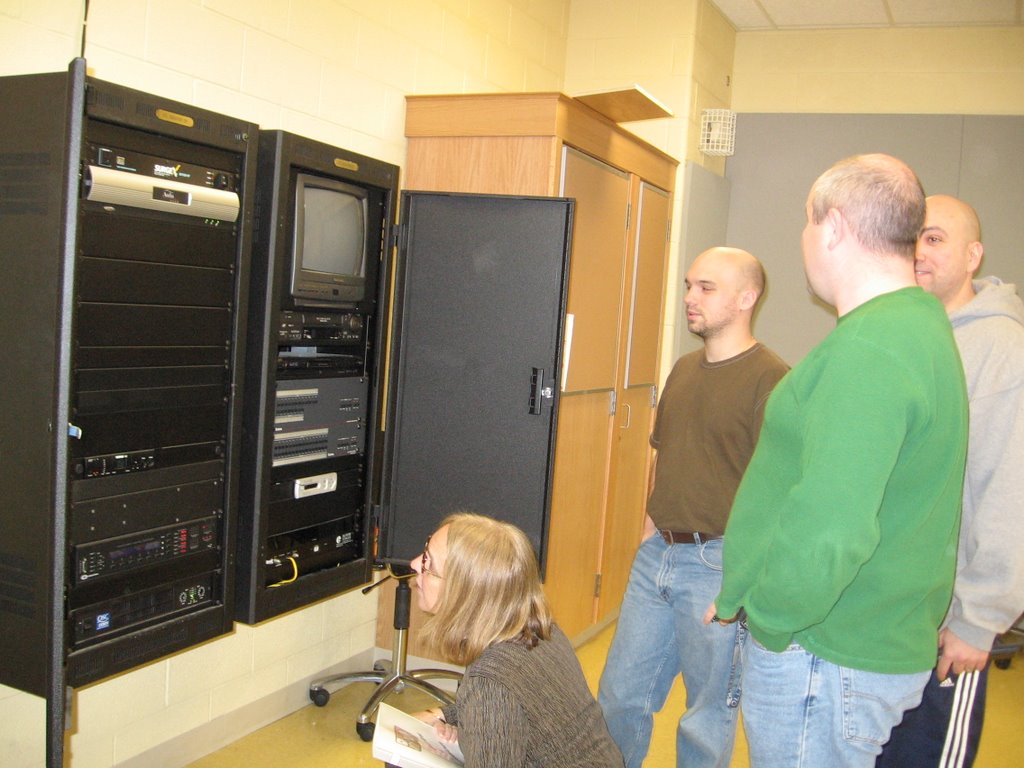
This past Saturday I gave a videoconferencing training at a High School. For me this is somewhat new territory as my work experience with 9th-12th graders and their teachers is not very extensive. This was a new high school that opened three years ago. The high school has a state of the art distance learning room. The room contains a Tandberg 2500 rack mounted system, 4 hanging zenith monitors, 5 cameras (one over each monitor and one in the rear of the room called the “instructors camera”, a drop down projector (it literally comes out of the ceiling) and a switch controlled screen. In addition there is a wall mounted plasma screen. There is also a touch control panel to operate all the previously mentioned equipment and a high resolution document camera. From what I gathered the system has rarely been used. They did a videoconference with the Museum of Television and Radio last spring but the connection experienced some technical difficulties. The school administration feels that they want to make a concerted effort to get the room up and running. I was asked to come in and help in getting the room operative and train the teachers on integrating the videoconferencing into the curriculum. I came in a few afternoons to familiarize myself with the equipment. After all I am use to a polycom or Tandberg that sits atop a monitor and a lone remote provides all the magic. I am use to one microphone placed in a central position not a roomfull of mics planted in the tables in a theatre like setting. The room uses only ISDN lines an indication of how long we have come in the past few years. Now ISDN is becomming a disability as more systems are using IP.

On Saturday I met up with four teachers from the school. Three of them taught Social Studies. A very good curriculum for videoconferencing. I showed them my trusty powerpoint that highlights the myriad of opportunities for videoconferencing with their students. We talked about about the challenges of using the equipment. It may be neccessary to modify the room to make it more user friendly. Five cameras is great but we all agreed that one camera in the front of the room is what is really needed. Then everyone got to use the equipment. We made a test call to the New York Institute of Technology and saw their parking lot and heard the music from their FM "hard rock station". It's difficult to find "a live person" to connect with on a Saturday. Then it was off to the library to search the databases for some good programs. The teachers were very enthusiastic about the Global Nomads website and were anxious to sign up for their programs. One of the teachers found a World War II project that involved interviewing veterans. And then it was time for the piece de resistance, the Paul Hieronymus Jeopardy game. This time put together by Ashton Graham from El Paso, on the great state of New York. I had a wonderful day with the big guys. I'll keep you posted on the fate of their Distance Learning Room.

Sunday, January 21, 2007

Awesome Amphibians


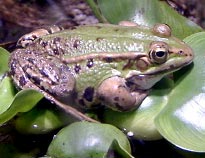
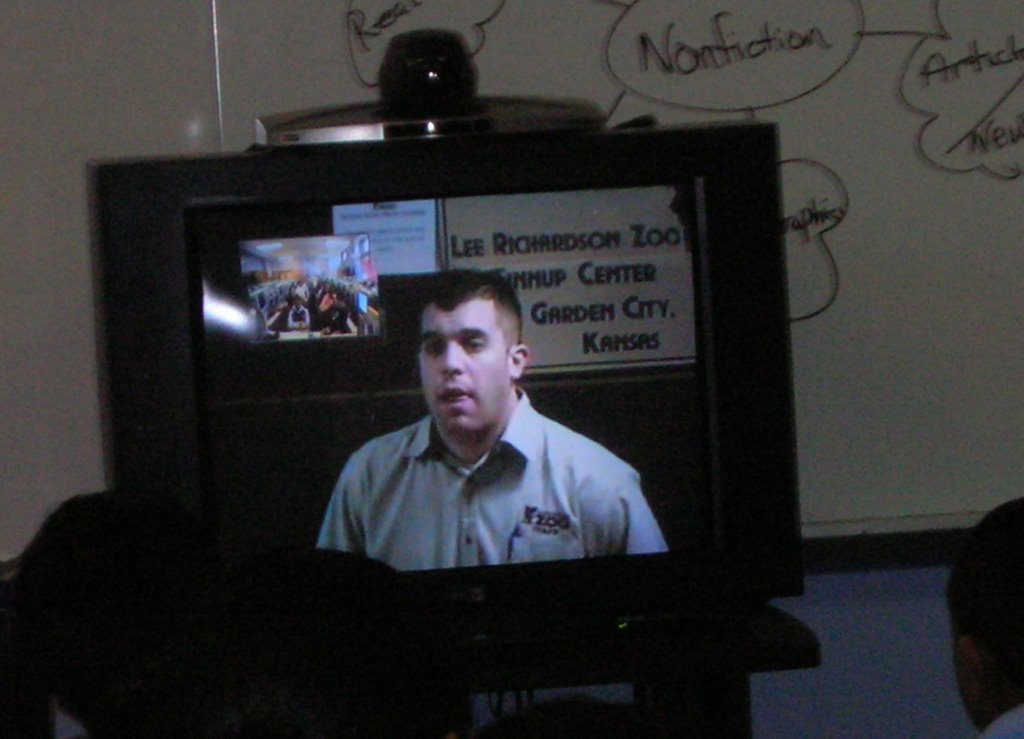
Hey did you know that you can't get warts from touching a frog? Even if the frog is full of warts like the ones from the Lee Richardson Zoo in Kansas. This week a sixth grade class participated in the zoo's "Awesome Amphibians" program. They got to see frogs, salamanders and the more rare caecilians that are snake like in appearance. The programs from the zoo are free but as informative and interesting as some of the pay programs from other zoos and museums that deal with these topics.

The presenter was not too warm and fuzzy but maybe that was in keeping with the fact that amphibians are "cold blooded animals". Another fact that was revealed in this forty-five minute program. Before the videoconferencing a packet of materials was sent by mail to the teacher. Some simple demonstrations were done by the class during the program. To demonstrate how amphibians absorb and release water a sponge was included in the packet. A cute activity of one of the students eating a piece of candy and then dipping it in dish liquid and not wanting to eat it, showed how a salamander detracts its predators.


Due to the fact that our middle school was busy with testing this week our videoconference took place in a computer lab and not in our beautiful media center. That once again shows the importance of an appropriate room environment for videoconferencing. The room was awkward for the type of movement that was necessary for the demonstrations. Also student's faces were blocked by computer monitors. I am a big proponent of where possible having a designated room for distance learning. The room should encourage the kind of activity and environment needed for a quality connection. Libraries work well but are often not available. As was the case for our videoconference. But even with our less than perfect room situation the program was enthusiastically received by the students and their teacher.

Friday, January 12, 2007

Grant Writing 1.01


For the past eight years I have been working for technology programs funded through grants. This year the grants ended and I found myself writing my own grants. This is a daunting task as the grant writing process requires a great deal of time and giving detailed information. I am working full time in a school as a technology coordinator and I do consultant work in videoconferencing so my time as most educators is a precious commodity. I wrote these grants with the hope of funding two videoconferencing programs I feel passionate about. One is my beloved Poetry Slam and the other a science based and career oriented program with NOAA. The one with NOAA required a pre-proposal. I thought the purpose of writing a pre-proposal was to weed out weak proposals so that people applying for grants don't spend enormous amounts of time on writing grants that are not of the quality or vision that is required. I actually thought that was not a bad idea. Since I am an educator and not a "professional grant writer" I would not spend excessive amounts of time writing a grant that had a poor to none possibility of being approved. I was shocked to receive an e-mail saying that because I sent a two-page resume instead of the required one page resume my grant was declined. It was a copy of my most recent resume. Since I was working with a 5:00 Post Office deadline I just printed it out without much thought. It had very little to do with the merit of grant. The second page could have easily been tossed or not read. I really hope that there were other more important factors in making that decision to reject my grant proposal than that. Remember this was NOT the actual grant just a description of the grant I intended to write. The rejection e-mail stated "Your application did not meet the following criterion: The resume exceeded the one-page maximum. I hope this guidance may help you succeed in future submissions to this program.”

The other grant is based on points. Each section was assigned a point value. The points ranged from 5 points to 20 points. My grant was over 50 pages in length. For example the Project Management part was worth 5 points, while the Budget Narrative was worth 20. I had a friend who reviewed some of these grants. She said it didn’t matter what the actual grant was about. The only thing that mattered is how many points you scored. If you answered all the questions even if the grant itself was sub par you got the money.

If, and it’s a very BIG IF, I ever write another grant for videoconferencing I now know to keep to the page and point requirements. But I just can’t help thinking that the grant process is somewhat “stupid”. Thanks for letting me vent. Your comments are appreciated.

Thursday, December 21, 2006

It IS Rocket Science


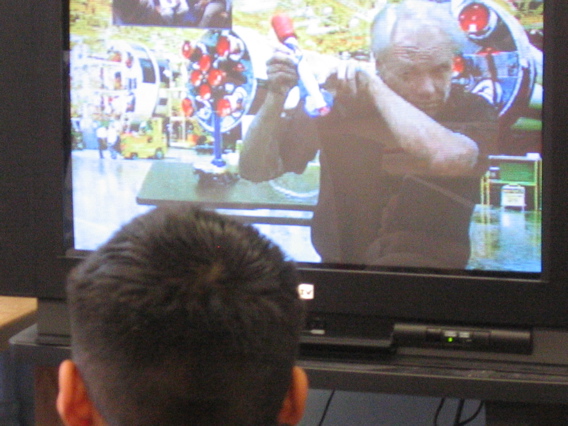
I love NASA's distance learning programs. They have a wide variety of topics with more than 40 programs offered. They have amazing lesson plans and resources. Their scientists are not only knowledgeable but great presenters. And it's free. So what's not to love? Today one of our 6th grade classes participated in the Rocket Science videoconference. Tom Benson, an aeronautical engineer, was a lively and humorous host. The students really enjoyed the program. Prior to the vc they had made their own rockets following a rocket building activity from the website . During the vc they got to answer a lot of rocketry questions and of course ask a lot of questions too. They learned what is a rocket and how is it different from an airplane. They learned about the different kinds of rocket fuel and how it thrusts the rocket into space. One thing I always observe, especially in middle school, is how few girls participate in science videoconferences. I was glad that a few girls did ask a few questions at the end. All in all it was a great videoconference. Tomorrow the shuttle Discovery comes home. May they have a safe return. And happy holidays to all my videoconferencing friends.
Saturday, November 18, 2006

A New Face on Homelessness


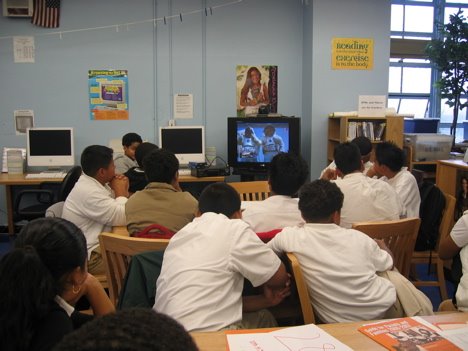
In honor of November 12-18 being National Hunger and Homelessness Awareness Week, one of our 8th grade classes had the opportunity to participate in an "ASK Program" through the Berrien County ISD. Before the videoconference all the participating students read the book "Monkey Island" by Paula Fox. "Monkey Island" tells the story of an 11 year old boy that finds himself abandoned and homeless in New York City. ASK which stands for Authors Specialist Knowledge provides students with an opportunity to ask either the author or as in this case specialists questions about the issues, characters and events, the book raises in the student's mind. Through this videoconference the students are able to use higher level thinking skills to dig deeper into the subject matter.

Yesterday's program involved three schools, (two in Michigan and one in New York), and four specialists who work with the homeless in Berrien County, Michigan. It is a wonderful format. The students get to ask the experts questions. The four specialists seemed to really enjoy seeing the students and hearing their well thought out questions. It's interesting that asking questions takes on new meaning when used in an ASK videoconference.

The students work hard to prepare for the program. They journal as they read the chapters in the book.
In the case of our 8th grade class in New York, the students also participated in other activities. They did story mapping, character studies, graphic organizers on homelessness, filmstrips, and even one group studied the law as it relates to child abandonment.

After the videoconference the students reflected on what they had learned. One boy said "I always thought the homeless were just bums but now I know that's not true". The students had learned they are mothers and their children, the unemployed and even veterans. The students were encouraged by the 4 specialists to stay in school and get a higher education. This is because one of the main causes of homelessness is lack of skills to get a good paying job. A lot of credit must go to the classroom teacher for preparing their students to ASK the questions and of course to the specialists for giving so many good anwers. Happy Thanksgiving!

Sunday, November 12, 2006

Child's Play


I know videoconferencing in the classroom is reaching new heights. I've blogged about the increased interest and popularity of videoconferencing at NECC (National Educational Computer Conference). I've watched as many new content providers and programs are being offered. I've seen the growing number of videoconferencing bloggers. Just this past Friday I gave a videoconferencing workshop for teachers and administrators. The workshop was filled to capacity and it was practically standing room only. The participants were teachers and administrators interested in getting onboard this exciting technology. But today as I was reading the Sunday paper my son brought my attention to a commercial on TV. "Hey Mom isn't that something like you do?" I looked up to see two kids in different countries having a "staring contest" via videoconference. It was a commercial for Cisco Telepresence. The commercial is called "Child's Play". I'm not sure of the educational value of the vc or what learning standards are being met but I am sure that videoconferencing has reached a new level in our collective conciousness.

Saturday, November 04, 2006

On Being A Pilot


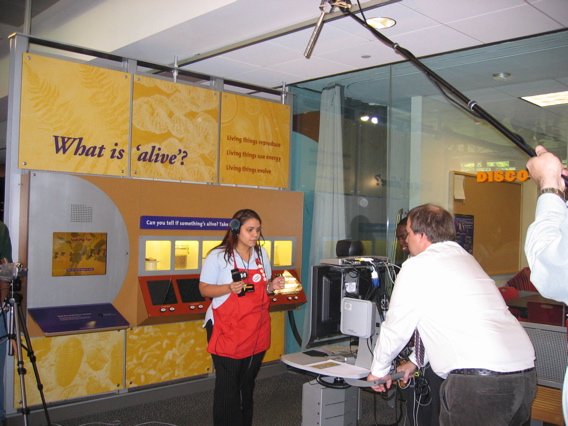
So you thought you were going to read about a videoconference about careers in aviation. Not exactly. For the past few weeks two of our schools have been participating in a pilot program with the New York Hall of Science. The New York Hall of Science has been involved with videoconferencing for several years. However, a few years ago they stopped their virtual visit programming. The museum was undergoing serious renovation and they wanted to develop a more state-of-the-art videoconferencing technology. Fast forward to this September, when I met with Chris Lawrence, director of the museums distance learning program, to discuss piloting two of the museums programs. The purpose for this pilot was to 1. To see how the programs worked and 2. To see if the students who participated in these programs did better on an assessment than other classes that did not. In other words there is a little bit of science going on here. Right now we are in the phase of "How is the program working". Yesterday we did our first virtual visit with the Hall and a science class of 6th graders. The program is "The Search for Life Beyond Earth".

Prior to this videoconference we gave the participating teachers (there are two because this class is team taught) a very extensive lesson plan provided by the Hall. Next I received hands on materials from the Hall to be used by the class both prior to and during the actual program. The materials consisted of Petri dishes, models of live and inanimate objects, and photos. Then we had a planning videoconference with the two teachers and Chris Lawrence and the program evaluator, to discuss both the pre-conference activities and the actual conference. The evaluator also visited the class to see the pre-activity with the Petri dish and teacher lesson.

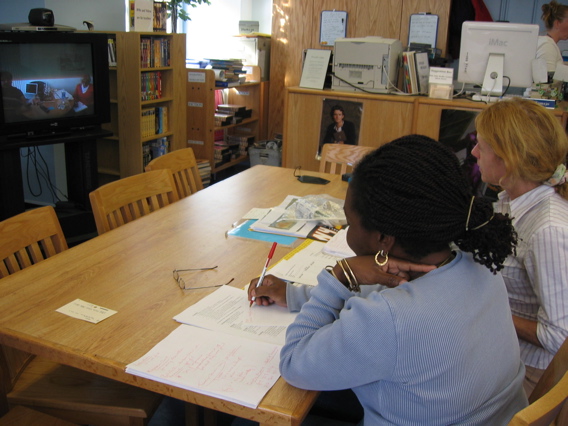
Yesterday, the actual videoconference took place. It was wonderful and the students were very engaged. The new equipment being used at the Hall was very effective. Great audio and the presenter was easily able to move between exhibits. The presenter was enthusiastic and responsive to the students. The information and the exhibits were very interesting. The teachers were excited and pleased.

After everyone left I sat down with the evaluator. She said let's not just rubberstamp this let's look for ways to improve this. So, I did come up with a few. There were morning announcements on our end that interrupted the program for several minutes. Schools and schedulers need to be aware of these interruptions and avoid it if at all possible. The Hall never asked about the Petri dishes. The student’s short presentations could have been better prepared. Maybe a timetable for how long before the conference these activities need to start would have been helpful here. Did the students "get" the main points being made during the conference? A brief student recap at the end left that questionable. Is there a way to focus in on these main goals? Yes, the program was great but the idea of a pilot is to make it even greater. The evaluator will talk to the teachers for their input. Then it will all be brought back to the Hall for them to review and make any changes.

I am so glad to be a part of this pilot. Our schools are getting 4 wonderful science programs from one of the leading science museums in the country. The teachers are getting to give input on what they want for their students. And videoconferencing is getting some measurable data on its effect on student learning. It is a win win win situation for all.

Wednesday, November 01, 2006

Broadband of Brothers


On October 18th there was a videoconferencing reunion of sorts. The reunion took place via videoconferencing of course. The participants were nine distance learning coordinators who during the first week of August facilitated
  • 123VC Jazzing Up your Curriculum with Videoconferencing.
  • I have blogged about Jazz before. Now over two months later we were asked by one of our colleagues in Texas to reflect, review and share lesson learned with a group of teachers who were participating in a workshop on videoconferencing. It was nice to see everyone again. It was also nice to support our colleague in Texas.

    Today, I needed a site to connect to. I am doing a PD session for a group of math teachers and I wanted to connect to a site and talk about a Math Exchange. I e-mailed my Jazz friends and two offered to help out. I feel this kind of camaraderie is special to videoconferencing. We all share a passion for videoconferencing and a genuine desire to see it succeed. We are all vc good will ambassadors. So when I called my friend Janine Lim in Michigan at 9:00 one morning because a group of visiting educators from Norway were in the building. She was ready by 10:00, Dr. Seuss hat and all to talk about "Read Around the Planet". Or when I needed to help a teacher set up a Vtel unit and I was a little shaky on the connecting and using the equipment, Paul Hieronymus from Ohio spent the better part of an afternoon guiding us through our trials and errors. And the time I needed someone to connect to for a workshop I was doing on a Saturday afternoon and Elaine Shuck from Polycom spoke to the group right from her home. Yes, we are a broadband of brothers. The truth is you can't talk about videoconferencing you need to connect to someone. I appreciate all those connections I've been able to make. And hopefully I can help on my end too, when needed.

    Wednesday, October 04, 2006

    Life in a Leaf Litter

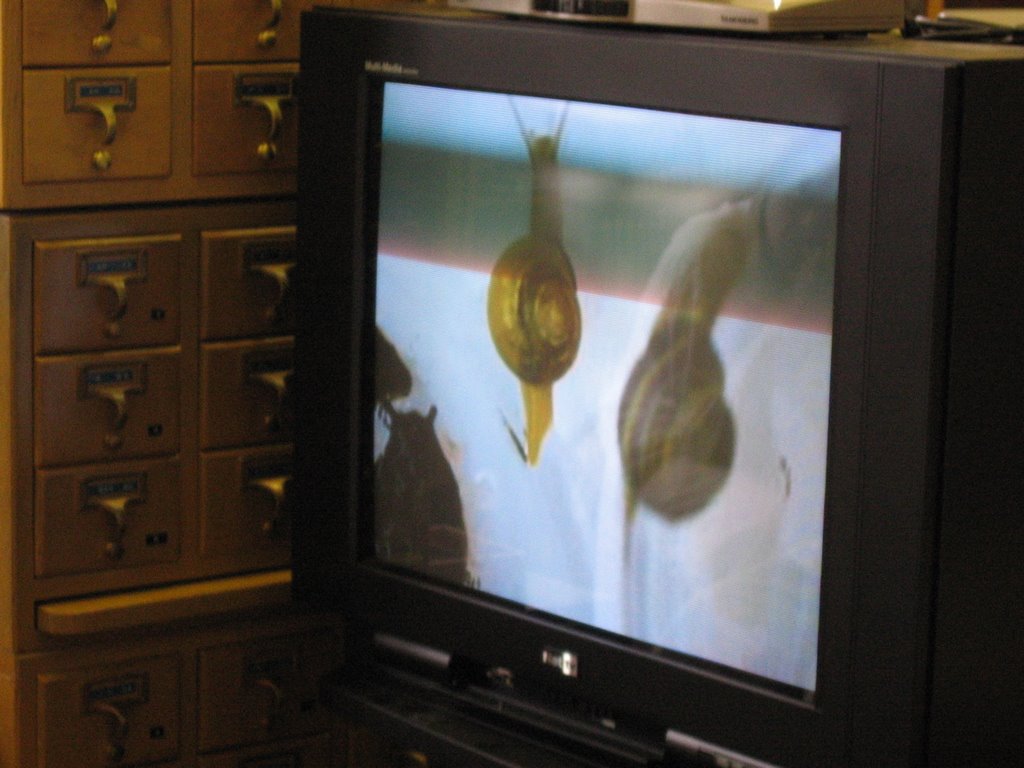
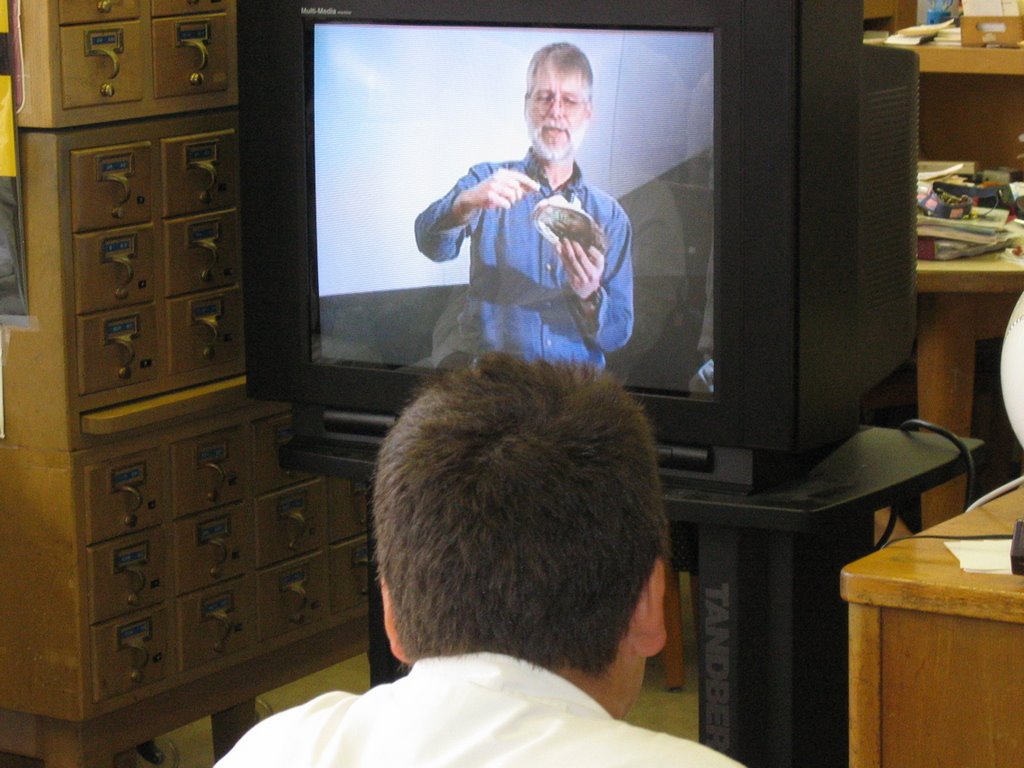
    I will never feel quite the same when I walk on a pile of leaves. Today an 8th grade class got to meet Dr. Timothy Pearce, Assistant Curator at the Carnegie Museum of Natural History in Pittsburgh PA and head of their Mollusk section. Our students were able to enjoy the view from a front row seat while Dr. Pearce, whose research focuses on terrestrial land snails, sorted a fresh sample of a Pennsylvania forest floor and identified life forms that many people never notice. The students learned a lot about this second largest group in the animal kingdom (only insects are larger). They got to see up close and personal snails, slugs and clams that are all members of this species called mollusks. They had plenty of questions for Dr. Pearce too. What do they eat? How do they mate? This was all part of a Meet the Scientist videoconference program at the Carnegie Museum. Dr. Pearce who besides being a leading expert on the subject of mollusks (He literally co-wrote the book "Mollusks: A Guide to their Study, Collection and Observation") also sees himself as a good will ambassador for getting others to appreciate these "under-appreciated” animals. The students got to see a snail’s beating heart. They also were able to observe through close up cameras the critters that can be found in a fresh leaf sample. Dr. Pearce by using three increasingly fine filters, which looked to me like the flour sifters used in baking, demonstrated how to find life in a leaf litter. Dr. Pearce invited the students to join him in identifying mollusks in the New York City area. Yes, we have nature preserves too. We a’re not all concrete. He e-mailed the students a classification guidebook. The class plans to go on a trip and collect their own leaf samples. One of the interesting things the students learned is how the mollusk habitat is being threatened. In Pennsylvania they are building a road right through a mollusk habitat. When winter comes and the salt spreaders come down the highway the snails habitat will be threatened. And every kid knows what happens when you put salt on snails or slugs. They shrivel up and eventually dry up."

    Monday, October 02, 2006

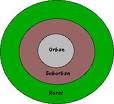
    Suburban, urban and rural


    One day in mid August I replied to a posting from a school in Texas looking for urban and rural partners for some videoconferences on communities and how they are alike and different. I was confident that I could find third grade classes in our region interested in representing the urban experience. What followed one month later were four delightfully informative vc connections that explored the differences and similarities of these three communities. Prior to the connections the three classes exchanged a list of questions that they had for each other. The students then prepared answers to these questions. Each class also prepared a short Powerpoint presentation that described their school and community.This whole videoconference idea and most of the coordination was the brainchild of Judith Dallinger, the librarian at the Watauga Elementary School in suburban Texas. A "ten gallon hats off" to this brave educator who saw this project through its successful conclusion.

    I helped facilitate two of these conferences and I truly loved every minute of them. The first was a meeting between Watauga, Texas (suburban), Ft. Pierce, Colorado (rural) and Queens, New York (urban). Do you hunt? asked a child from Colorado. For chores the children in Colorado round up the cattle. The New York students quickly cleared up the myth that they lived in mansions and saw famous people everyday. They described the apartment buildings they lived in. The students in New York also shared their feelings about not always feeling safe. After the videoconference was over the classes e-mailed each other and agreed to keep in touch this school year. Hopefully to have another vc too.
    The next videoconference was between Texas and New York and this time a class in Alaska was the rural partner. This conference was nothing short of awesome. The students in Alaska live in a village divided by a river. Some of the students come to school by boat. When the river freezes, they have to close the school "River Days". While the kids in NY and Texas are close to the local mall. The students in Alaska have to travel 400 miles to the Walmart in Anchorage. The comparison of weather temperatures was striking. Afterschool activities of mushing (dogsled racing), sledding and skating were popular in Alaska. I could go on and on about the wonderful things these students shared and learned about each other. These communities have many things that are different but as always it is what they have in common that seems to bring these students together.

    Thursday, September 14, 2006

    Desert RATS

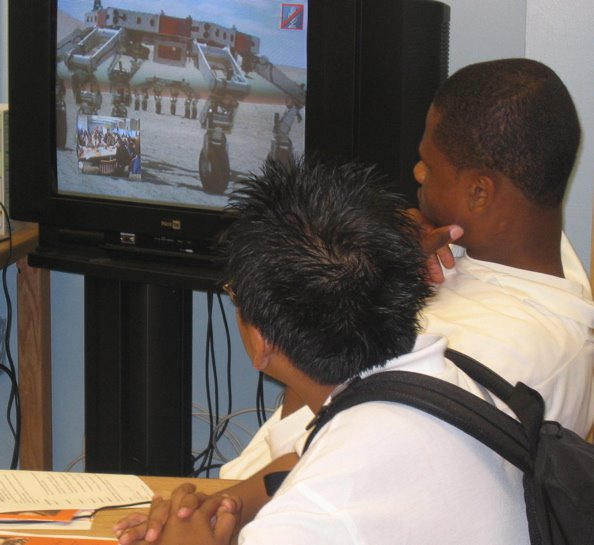
    Our first videoconference this year was with NASA and one of our 8th grade science classes. No it wasn't about those long tailed, not so popular rodents but rather about space research being conducted out in the Arizona desert. RATS is an acronym for Research and Technology Studies. This program provided our students an opportunity to hear and see NASA scientists as they worked in the Arizona desert. They also were given the opportunity to ask questions. Since this was a multipoint connection there were 4 other schools participating. The first part of the vc unfortunately our students missed because we lost connection with the bridge. Since the bridge called us I had no way of dialing them. When I called the bridge it went to a message machine. When I called my contact at NASA it went to a message machine. I even called one of the other schools that were connected and asked them to let them know we were no longer connected. FRUSTRATION. I FELT LIKE I WAS A RAT IN A MAZE. Finally I got through to NASA and someone got through to the bridge. The bridge called us back and the rest of the 50 minutes were wonderful. Our students were able to see how NASA scientists and engineers are using the earth’s terrain to test equipment that will be used by astronauts to work on other planets. They saw a robot vehicle called the All-Terrain Hex-Legged Extra-Terrestrial Explorer or ATHLETE (another acronym). NASA really likes using acronyms. The students also saw spacesuits, boots, and gloves up close and personal. Did you know that the spacesuit weighs about 250 pounds. That's a lot of fabric. And not your most comfortable clothes for the hot Arizona desert. But the heat in Arizona is nothing to the temperatures in space. So, the students saw how this spacesuit cools of the body. The students learned so much about the experiments that are being done in the desert. One student asked "what surprises they found in their experiments?" The NASA scientist answered there are many surprises. In fact he said there is no such thing as a failed experiment. You may not find what you thought you would but you always learn something. Most important of all was the message that all the scientists gave to their audience of middle schoolers. Find your passion and pursue it. Don't give up. As one NASA scientist said, "be like a postage stamp, stick to it until you reach your destination". Good advice.

    Thursday, September 07, 2006

    Hit the Ground Running


    It's back to school and back to videoconferencing. This year our schools are videoconferencing in September. I think this is a first. It use to be don't even mention the "V" word until October and even then it wasn't until late October that things got going. Now I find schools have dusted off the monitors, hooked up the Polycoms and started making test calls and school just started on Tuesday! What's going on? Is videoconferencing becoming the user friendly technology and not the exotic equipment in the corner it use to be? From the looks of things I would have to say "yes". In late August I received some interesting videoconferencing invites. NASA had a special event in early September and a school in Texas was looking for six urban school and six rural school partners. I sent out e-mails and to my delight I got enthusiastic responses. So, while our students are still learning their classmates names and room numbers, they will be meeting other students as far away as Alaska these first weeks of school. They will be questioning the scientists in the Arizona deserts as a springboard to their studies of space exploration and robotics this year. Tomorrow I and another teacher will be getting a lesson on using a Vtel videoconferencing unit from Paul Hieronymus, Technical Coordinator from Avon, Ohio. September is looking very busy and by the way, yesterday I registered for the last videoconference spot for a program at the end of March.

    Saturday, August 05, 2006

    And All That Jazz

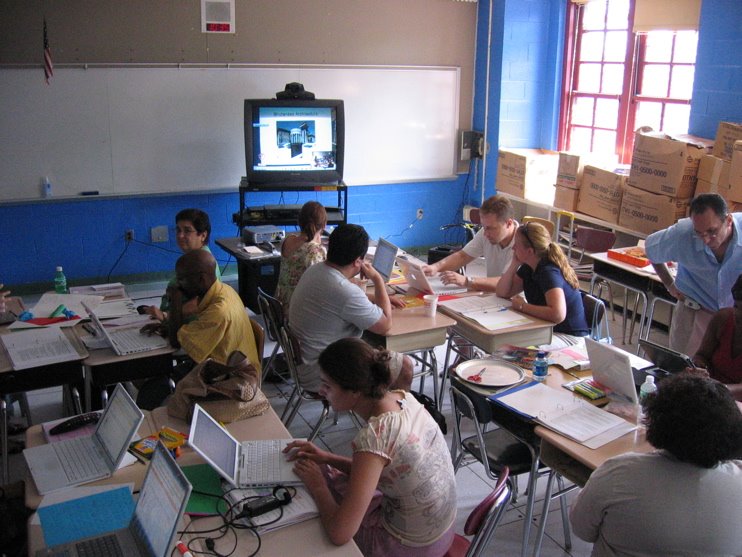
    I just finished facilitating the 5 day videoconferencing training, 123VC Jazzing Up Your Curriculum with Videoconferencing. It was quite a training. Over the course of 5 days, a group of 16 teachers and myself submerged ourselves in videoconferencing activities. Almost the entire workshop was a videoconference either with 4 or 8 different schools collaborating. As luck would have it New York was in the grip of a record breaking heatwave. With the temperatures hovering at 100 degrees and the actual feel good temperature at 115 power saving became a real issue. The air conditioning barely worked. The internet stopped working along with the elevators. So, our working conditions were rough but the workshop was so engaging that my group of "sweet 16" endured.


    Most of the mornings were simulation activities of already successful collaborations. We had fun doing math in "Math Marvels". We had a great time doing MysteryQuest Beaches. Based on the MysteryQuest model. The ASK program was a moving morning of listening to a beautiful reading of The Wall and then reflecting on this touching children's picture book. We also had time to interview a Vietnam Veteran, Don Alsbro. After lunch each day we listened to speakers discuss specific videoconferencing programs. I even got a chance to present our wonderful Poetry Slam Program. I enjoyed hearing David Macquart talk about his Global Nomad Group. I know I would love to be involved with one of their programs this year. Videoconferencing provides such a wonderful opportunity for students to have a real dialogue and with the many global issues effecting our world today this type of communication is more important than ever.

    Every afternoon our teachers broke into small groups to work with their colleagues in Texas on a project they designed for their classes. These projects were complete with a lesson plan with pre- and post-videoconferencing activities as well as the actual videoconference itself. There was also a timeline, an advertisement for participation and resources included. They did this collaboratively posting their information in a wiki. When they left the workshop Friday afternoon for some much deserved airconditioning, rest and relaxation they had a videoconferencing project in hand and partner(s) for the coming school year. I look forward to the fruition of these projects. The six projects my groups helped to develop touched a variety of content areas and grades. " A Walk Across America" is a 2nd grade Social Studies project about community. "It's up to you to preserve your world!" a 5th grade science project, "Songs of the 80's" a computer technology and language arts project.
    "Start Spreading the News" an 8th grade broadcast journalism program. "Caldecott Decades" an elementary grades library project and "Geometry Jeopardy" a Math program for 3rd-5th graders. I'm looking forward to blogging about these programs in the future. Today, I'm happy to be starting my summer vacation. Oh, and the temperature outside mid 80's, low humidity. Go figure.

    Monday, July 31, 2006

    Day 1 of Jazzing Up the Curriculum


    Today I woke up at 5:30 AM (EST) to get a good start on the first day of our 123VC Videoconferencing Training. Does that mean my colleague Ashton in El Paso had to get up at 3:30 AM (Mt.)? I stopped off to buy coffee and bagels for the group, set up the videoconferencing equipment in the room and greeted the participants as they arrived. There are 15 teachers in our NYC group. The local activity time was way too short and before I knew it we were connected to three other school districts all in Texas. I made the "jumping in to the deep end of the pool" analogy for my NY teachers who for some had never even seen a videoconference. Things pretty much went that way all day. Learning by doing. By the time the day came to an end I had a group of videoconferencing veterans. They were muting the audio, panning and zooming, chatting in chat rooms and making IP connections like pros. I'm exhausted but excited and looking forward to Day 2.

    Read Around the Planet

    Sunday, July 23, 2006

    Getting Ready for 123VC Jazz


    During the week of July 31st through August 4th, 18 teachers from my Region and I will be participating in a most unique and exciting videoconferencing professional development. It is called 123-VC! Jazzing Up Your Curriculum with Videoconferencing. The unique part of this PD is that it is conducted almost entirely through live interactive videoconferences with other teachers in Michigan, Texas and Missouri. It is also an opportunity for the participants in this training to simulate the kinds of projects and collaborations that their students will be doing in the coming school year. The planners which include distance learning leaders in 8 different school districts in 4 states have been working on this training for months and are using Moodle an online collaborative management system to develop the entire course. From schedules to handouts, from readings to blogs everything is posted in this online environment. The logistics of this training is daunting. Each day after a brief half hour of local time "taking care of business" and introducing or going over some of the important topics each location will connect to usually three other districts. One of the days all eight groups will connect to each other. Then all the participants will be introduced to a project or projects and then simulate the activity and videoconference that the project requires. Of course the simulations will be light hearted. For example "MysteryQuest" a geography program where students research cities and countries in the World will be turned into "MysteryQuest Beaches". Our teachers will be finding those pleasure spots where sand and surf and fun take center stage. After lunch all eight sites will connect together for an hour to hear speakers on special topics. Then (and here is where logistics and daunting come into play) all 18 of my teachers will break into much smaller groups to connect to similar small groups to work on a vc project to do with their classes in the fall. So, I will need to provide at a minimum 5 other videoconferencing sites.
    This week the pressure is on to ready the middle school we will be meeting at so there are at least 5 locations in the building where the teachers can go at the end of the day for their small group projects. I already have a vc unit in the media center. Another room that has an ISDN connection and is air-conditioned I hope to use for the majority of the day. However, I already had problems with the ISDN lines last Friday. So, I need to contact our local phone company Verizon first thing tomorrow. I hope to get another cable modem for the other library in the building and have cable installed in one of the computer labs. Of course I need to borrow additional Polycom units. Since the school right now has only two. So, my to do list for tomorrow looks something like this:
    1. Call Verizon for ISDN repair.
    2. Confirm TimeWarner for install on Tuesday.
    3. Borrow 3 VC Units. Set-up and test.
    4. Order breakfasts and lunches for five days.
    5. Purchase binders for handouts
    6. Copy handouts and fill binders
    7. E-mail participants reminding them about the workshop (It is summertime and they do forget).
    HELP!!!

    Tuesday, July 11, 2006

    Reflecting On NECC


    It is exactly one week since the opening night program of the NECC 2006 conference. One week ago I ate my first corn dog and stood on the terrace of the appropriately named Sails Pavillion and watched the fireworks in the San Diego sky. I am usually on the opposite side of the country watching the Macy's fireworks over the East River. No matter, the feelings are always the same, a surge of patriotism and of course anticipation for the summer vacation that is before me. That night it was excitement for NECC and the experiences that woud unfold in the next few days.. NECC did not disappoint. As usual (this is my third consecutive conference) I felt like a kid in a candy store. Too many delicious choices and not nearly enough time. I like to use the online planner before I go but there are way too many triangles with exclamations points a warning sign of a conflict in my schedule. Anyway I got to do a lot of hands on workshops and sat through some very interesting sessions but most of all I got to network with so many potential videoconferencing partners.

    Podcasting amd Moodle were two hands on workshops I really enjoyed. Videoconferencing is a blended technology. There is room for all types of other technologies and programs to enhance and extend the IVC experience. The pre-conference and post-conference activities afford the opportunity for many other technology applications. A collaboration tool like Moodle or a multi-media product like a podcast are great technology tools for students and teachers to incorporate into projects.

    I also got to participate in a variety of live videoconferences. The Rock and Roll Hall of Fame does three programs. They look at the 50's and the 60's and the historical and political effects of Rock and Roll. I felt like something of a relic having been at Woodstock in 1969. I definitely want to see that videoconference in its entirety and of course I can be an eyewitness resource! I also got to see COSI (Ohio's Center of Science and Industry) and a look at their Open Heart Surgery live videoconference. This one is so popular that it is already entirely booked for the 2006-2007 school year. I saw a portion of the program and although fascinating NOT for the faint of heart. Another one I really enjoyed was a live visit with Jim Stovall, blind author of the book, The Ultimate Gift. He not only was an inspirational speaker but as an author provides an exciting interactive opportunity for students to read his books and then interview him. This is the purpose of ASK (Authors, Specialists, Knowledge) a videoconferencing project which is an organized process that provides students with the opportunity to interview an author or a subject specialist in the topic they are reading about in a novel. One live videoconference I participated in and definitely think I'll pass on is Grossology Live, a videoconference devoted to bodilly functions. I think the students would probably have a good time but there is something to be said for "good taste" in programming.

    Probably the most fascinating videoconferencing session I attended was "HyperMirror Videoconferencing! Japan-LA-NJ Collaboration". The project was a water quality study between classes in New Jersey and Japan. The interesting twist was using the HyperMirror technology. This technique developed by a University in Japan uses chroma-key to merge two videoconferences into one so that the 2 sites look as one. I first saw this technology used with Internet2. It was very exciting to see it can also be used with our H.323 connections. The effect is obtained by using a blue screen. In this session two blue plastic tarps were hung and the presenters in San Diego and the students in Japan appeared to be together on the screen. I would love to incorporate this into some of our videoconferences this year. At the end of the session I had an opportunity to shake hands with the students in Japan. Talk about interactivity.

    Besides all the wonderful sessions, exhibits, vendors and keynotes, I came away from NECC 2006 with a stack of business cards. Each card represents a project, or person or geographic location that I look forward to working with or connecting to this coming school year. The web is wonderful for finding videoconferencing projects but meeting someone face to face and sharing a good conversation is the best way to make a real connection. I'll keep you posted in subsequent blogs how my NECC encounters pan out.